
 Patient
 Doctor
 Digital Clinic

The short answer: most heart disease can be prevented or delayed. Know your blood pressure, sugar and cholesterol numbers, stay active, eat well, avoid tobacco and get checked earlier if heart disease runs in your family. Indians tend to develop heart disease about ten years earlier than people in Western countries, so prevention should start in your twenties and thirties, not after a heart attack. Chest pain or pressure lasting more than a few minutes, especially with sweating or breathlessness, is an emergency: call 108 or go to the nearest hospital immediately.
Why heart health matters
Heart and blood vessel diseases, mainly heart attack and stroke, are the leading cause of death in India. The main reasons are high blood pressure, diabetes, high cholesterol, smoking, inactivity and excess weight around the waist. Many of these build up silently for years without symptoms, which is why regular checks matter even when you feel well.
The heart is not only an adult concern. Some children are born with heart defects, and others develop heart problems after infections. Good care at every age, from pregnancy to old age, protects the heart for life.
Know your numbers
These simple measurements tell you and your doctor much of what you need to know about your heart risk.
| Check | Healthy target for most adults | How often |
|---|---|---|
| Blood pressure | Below 120/80 mmHg is ideal; 140/90 or higher on repeated checks is high blood pressure | At least once a year from age 18; more often if it is raised |
| Fasting blood sugar / HbA1c | Fasting below 100 mg/dL; HbA1c below 5.7% | Every 1 to 3 years from age 30, or earlier if overweight or diabetes runs in the family |
| Lipid profile (cholesterol) | LDL ("bad") cholesterol below 100 mg/dL for most people, lower if you already have heart disease or diabetes | First test by your twenties; then every few years, or as your doctor advises |
| Waist size | Below 90 cm (men) and 80 cm (women) for South Asians | Measure at home every few months |
| Body mass index (BMI) | 18.5 to 22.9 for Asian adults | Every few months |
Your personal targets may be different if you already have diabetes, kidney disease or a heart condition. Ask your doctor what your numbers should be.
Risk factors you can change, and those you cannot
Risks you can change:
- high blood pressure
- diabetes and prediabetes
- high LDL cholesterol and triglycerides
- smoking, beedi, gutka and other tobacco, including second-hand smoke
- physical inactivity and long hours of sitting
- excess weight, especially around the waist
- heavy alcohol use
- poor sleep, untreated snoring or sleep apnoea, and long-term stress
Risks you cannot change, which mean you should start checks earlier:
- age: risk rises after 40 in men and after menopause in women
- a parent, brother or sister who had a heart attack or stroke before 55 (men) or 65 (women)
- South Asian background, which carries a higher risk at lower body weight
- a history of high blood pressure or diabetes during pregnancy
Everyday habits that protect your heart
Eat for your heart
- Fill half your plate with vegetables and fruit, a quarter with protein (dal, pulses, eggs, fish, chicken, paneer, curd) and a quarter with whole grains (millets, brown rice, whole-wheat roti).
- Cut down on white rice, maida, sugar, sweets and sugary drinks.
- Limit salt to about one teaspoon (5 g) a day in total. Pickles, papads, namkeen, sauces and packaged foods carry hidden salt.
- Use a small amount of cooking oil, and avoid reheated oil, vanaspati and deep-fried snacks.
- Include a handful of nuts and seeds a few times a week.
Move every day
- Aim for at least 150 minutes a week of moderate activity, such as brisk walking, cycling, swimming or dancing; 30 minutes on five days is enough.
- Add muscle-strengthening exercise two days a week.
- Break up long periods of sitting by standing or walking for a few minutes every hour.
- If you have heart disease, chest symptoms on exertion or have been inactive for a long time, check with your doctor before starting hard exercise.
Other habits
- Stop tobacco completely. The heart benefits begin within weeks of quitting, and risk keeps falling for years.
- Sleep 7 to 8 hours. Loud snoring with pauses in breathing or daytime sleepiness may mean sleep apnoea, which raises blood pressure and should be checked.
- Manage stress with regular exercise, yoga, breathing practice, time with family and enough rest.
- Take medicines regularly. Blood pressure, sugar and cholesterol medicines work only when taken every day. Do not stop them because your numbers are now normal; that usually means they are working.
Warning signs of a heart attack
Call 108 or go to the nearest hospital immediately if you have:
- chest pain, pressure, tightness or heaviness lasting more than a few minutes, or that goes away and comes back
- pain spreading to the arm, jaw, neck, back or upper abdomen
- breathlessness, cold sweat, nausea or vomiting, light-headedness or fainting
Women, older people and people with diabetes often have less typical symptoms, such as unusual tiredness, breathlessness, indigestion-like discomfort or pain in the back or jaw without much chest pain. Do not wait to see if it settles, and do not drive yourself to hospital. Treatment in the first hour saves the most heart muscle.
Other symptoms to discuss with a doctor
These are not usually emergencies, but they need a check soon:
- chest discomfort or breathlessness that comes on with walking or climbing stairs and eases with rest
- a racing, pounding or irregular heartbeat (palpitations)
- swelling of the feet and ankles, or waking up breathless at night
- dizziness or fainting, especially during exercise
- getting tired much more easily than before
Signs of a stroke need emergency care too. Remember BE FAST: loss of Balance, blurred or lost vision in the Eyes, Face drooping, Arm or leg weakness, Speech difficulty: Time to call 108.
Heart tests: what they show
- ECG records the heart's electrical activity and can show rhythm problems or signs of a past or current heart attack.
- Echocardiogram (2D echo) is an ultrasound of the heart that shows its pumping strength, valves and structure. It is painless and safe for all ages, including babies.
- Treadmill test (TMT) checks how the heart copes with exercise.
- Holter monitor records the heart rhythm for 24 hours or longer to catch irregular beats.
- Blood tests include the lipid profile, sugar, kidney and thyroid tests, and sometimes lipoprotein(a), a cholesterol particle that is often high in people of South Asian background and worth testing once.
- CT coronary angiogram or coronary angiography looks directly at the heart arteries when a blockage is suspected.
Not everyone needs every test. Your doctor chooses tests based on your symptoms and risk.
Heart health in children
About 8 to 10 in every 1,000 babies are born with a heart defect (congenital heart disease). Many are mild, and most of the rest can now be treated very well, especially when they are found early.
See a pediatric cardiologist if a baby or child:
- has bluish lips, tongue or nails, especially while crying or feeding
- breathes fast, sweats on the forehead or tires during feeds
- is gaining weight poorly despite feeding well
- has frequent chest infections
- faints, has chest pain or palpitations during play or sport
- has been told they have a heart murmur
Heart murmurs are common in healthy children. Most are "innocent" murmurs, simply the sound of normal blood flow, and need no treatment. An echo can tell an innocent murmur apart from one caused by a heart defect.
Rheumatic heart disease is still common in India. It can follow an untreated streptococcal sore throat that leads to rheumatic fever and damages the heart valves. A child with a sore throat and fever should be seen by a doctor, and children who have had rheumatic fever must continue their preventive penicillin exactly as advised.
Kawasaki disease causes prolonged fever (five days or more) with red eyes, red cracked lips, rash and swollen hands and feet in young children. It can affect the heart arteries, so early treatment and an echo are important.
Heart health in pregnancy and before birth
Pregnancy puts extra work on the heart. Women with a known heart condition should see a cardiologist before planning a pregnancy. High blood pressure or diabetes in pregnancy also raises the mother's heart risk in later life, so regular checks should continue after delivery.
A fetal echocardiogram, a detailed scan of the baby's heart usually done at around 18 to 24 weeks, is advised when a routine scan raises a concern, the mother has diabetes, a parent or previous child has a heart defect, or the mother took certain medicines during pregnancy. Finding a heart defect before birth lets the family and doctors plan delivery at a centre ready to care for the baby.
Can a video consultation help with heart health?
Yes, for many situations, as long as there are no emergency symptoms. On a video consultation, a cardiologist can:
- review your ECG, echo, TMT, lipid profile and other reports
- adjust medicines for blood pressure, cholesterol or heart failure, with home readings
- advise on your personal heart risk and which tests you really need
- give a second opinion on a proposed angiogram, procedure or surgery
- assess a child's murmur, echo report or symptoms, and guide follow-up after heart surgery
- discuss a fetal echo result with expecting parents
Keep your recent reports and a list of your medicines ready, and if you have a home BP monitor, take a few readings before the call. A video call cannot replace emergency care: for chest pain, stroke signs or fainting, go to a hospital first. You can see all our heart specialists on the Cardiology page.
Frequently asked questions
At what age should I get my heart checked?
Check your blood pressure at least once a year from 18, and have your first sugar and cholesterol tests by your twenties or early thirties. Start earlier and test more often if you are overweight, smoke, or have a family history of early heart disease or diabetes.
Can young people have a heart attack?
Yes. Heart attacks in people in their thirties and forties are increasingly common in India, often linked to smoking, diabetes, high cholesterol, inactivity and family history. Chest pain should never be ignored because of age.
Is all chest pain a heart problem?
No. Chest pain can come from muscles, acidity or the lungs. But it is not safe to guess. Pain with sweating, breathlessness or spread to the arm or jaw, or any chest pain in someone with risk factors, needs urgent medical assessment.
What is a normal heart rate?
For adults at rest, 60 to 100 beats a minute is normal; fit people may be lower. Babies and young children normally have faster heart rates. See a doctor if your heartbeat feels very fast, very slow or irregular, especially with dizziness.
Does a heart murmur in my child mean heart disease?
Usually not. Most childhood murmurs are innocent and harmless. A pediatric cardiologist can confirm this with an examination and, if needed, an echo.
Can heart disease be reversed?
Healthy habits and the right medicines can slow or stop the progress of heart disease and greatly reduce the chance of a heart attack, even after one has happened. The earlier you start, the more you gain.
About the author
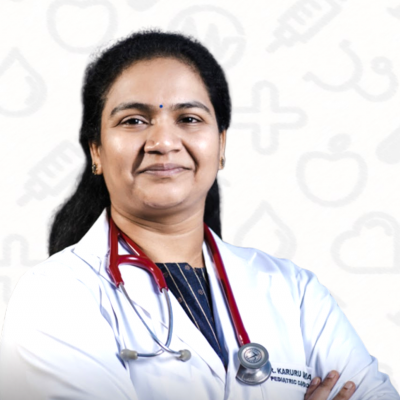
Dr. Uma Devi K is a cardiologist at VRA Health with a DM in Pediatric Cardiology from AIIMS Delhi. She cares for heart conditions in children and adults, with special interest in congenital heart defects, pediatric echocardiography, fetal echocardiography, heart murmurs, rhythm problems and heart failure in children. She consults in English, Hindi and Telugu. Book a video consultation with Dr. Uma Devi K.
This article is for general information and does not replace a consultation with a doctor who can examine you. In an emergency, call 108 or go to the nearest hospital.